
Eco Jersey is strengthening its international B2B manufacturing presence through an end-to-end apparel production model spanning product development, material sourcing, sampling, customisation, bulk manufacturing, quality control and global delivery. With operations dating back to 2019, the company supports brands and businesses across multiple apparel categories.
GLASGOW, GB — August 24, 2026 — Eco Jersey is building its position in the international apparel supply chain with an end-to-end manufacturing model designed for brands, businesses, teams and organisations seeking custom garment production under one coordinated process.
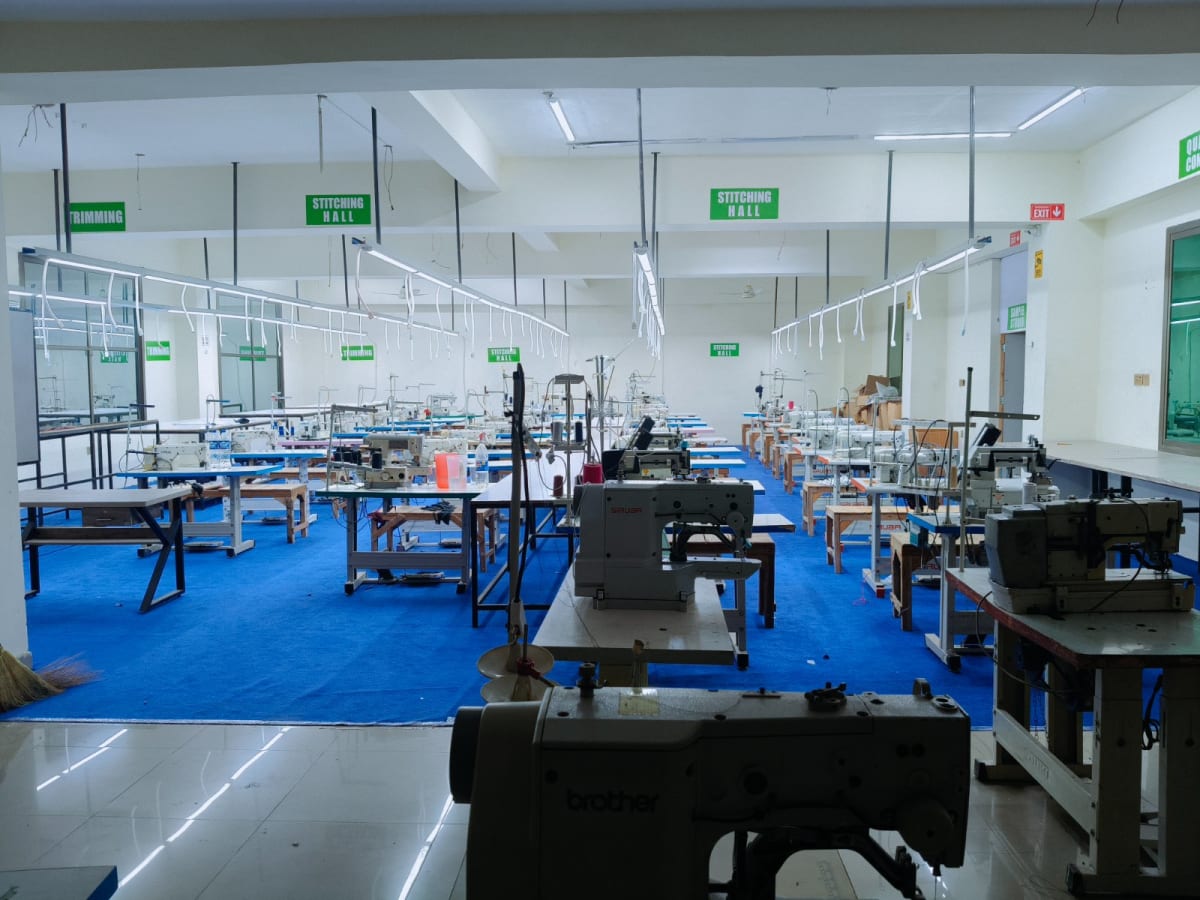
With manufacturing operations dating back to 2019, the company has developed its production capabilities around the practical requirements of B2B apparel buyers. Rather than limiting its role to garment assembly, Eco Jersey manages projects from early product development and material sourcing through sampling, production, customisation, quality control, finishing, packaging and international shipping.
Operating through Eco Jersey Limited in the United Kingdom and Eco Jersey (SMC-Private) Limited in Pakistan, the business combines international customer support with manufacturing operations in Pakistan. Its primary markets include the United States, Canada, the United Kingdom, Germany, France, Italy, Spain and Switzerland, while production services are available to customers internationally.
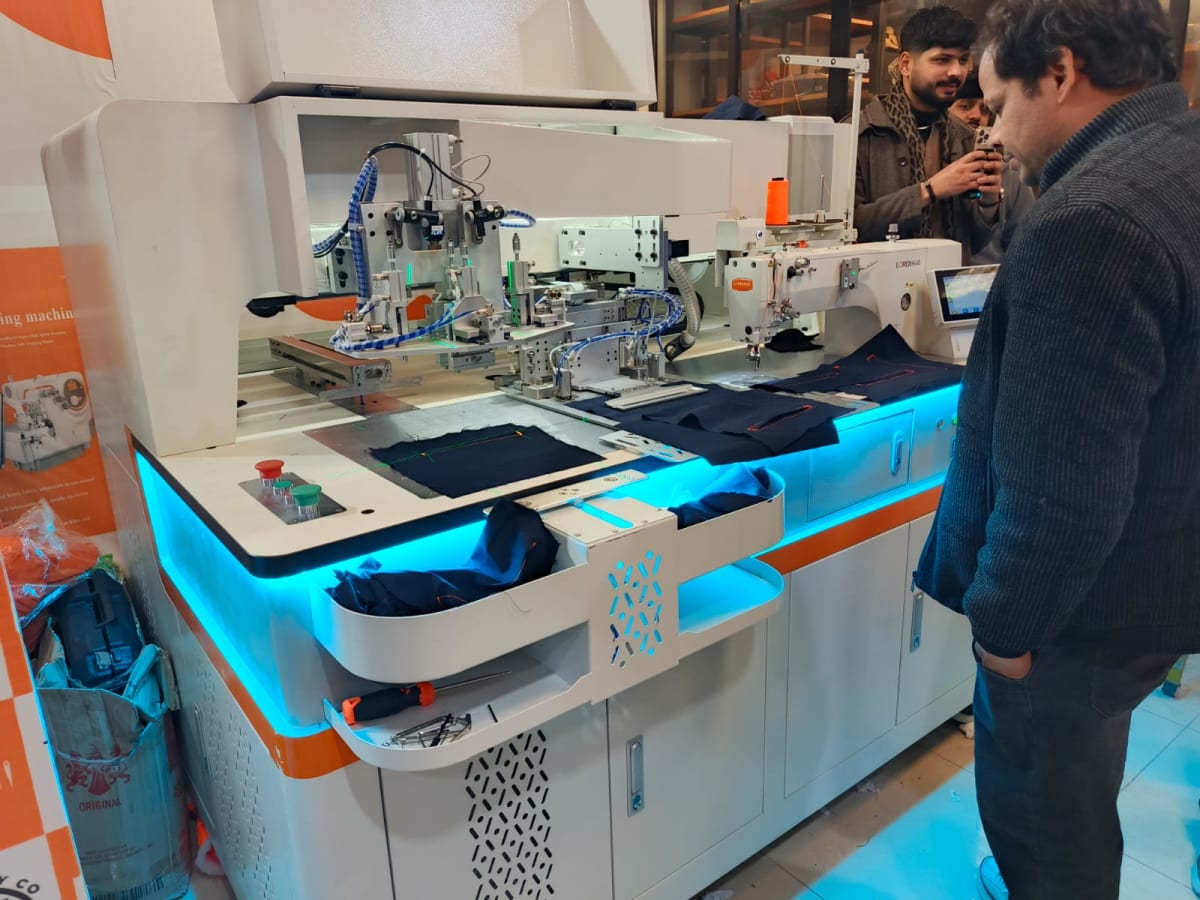
A Manufacturing Model Built Around Complete Product Development
The apparel sourcing process can require coordination between fabric suppliers, pattern makers, sampling teams, garment manufacturers, printing and embroidery facilities, quality-control teams and logistics providers. Eco Jersey’s manufacturing model is structured to bring these stages into a coordinated production workflow.
Projects can begin with product development and tech packs before progressing through pattern making, fabric and trim sourcing, prototype development and sampling. Once specifications are approved, production can move through cutting, sewing and the required garment customisation processes.
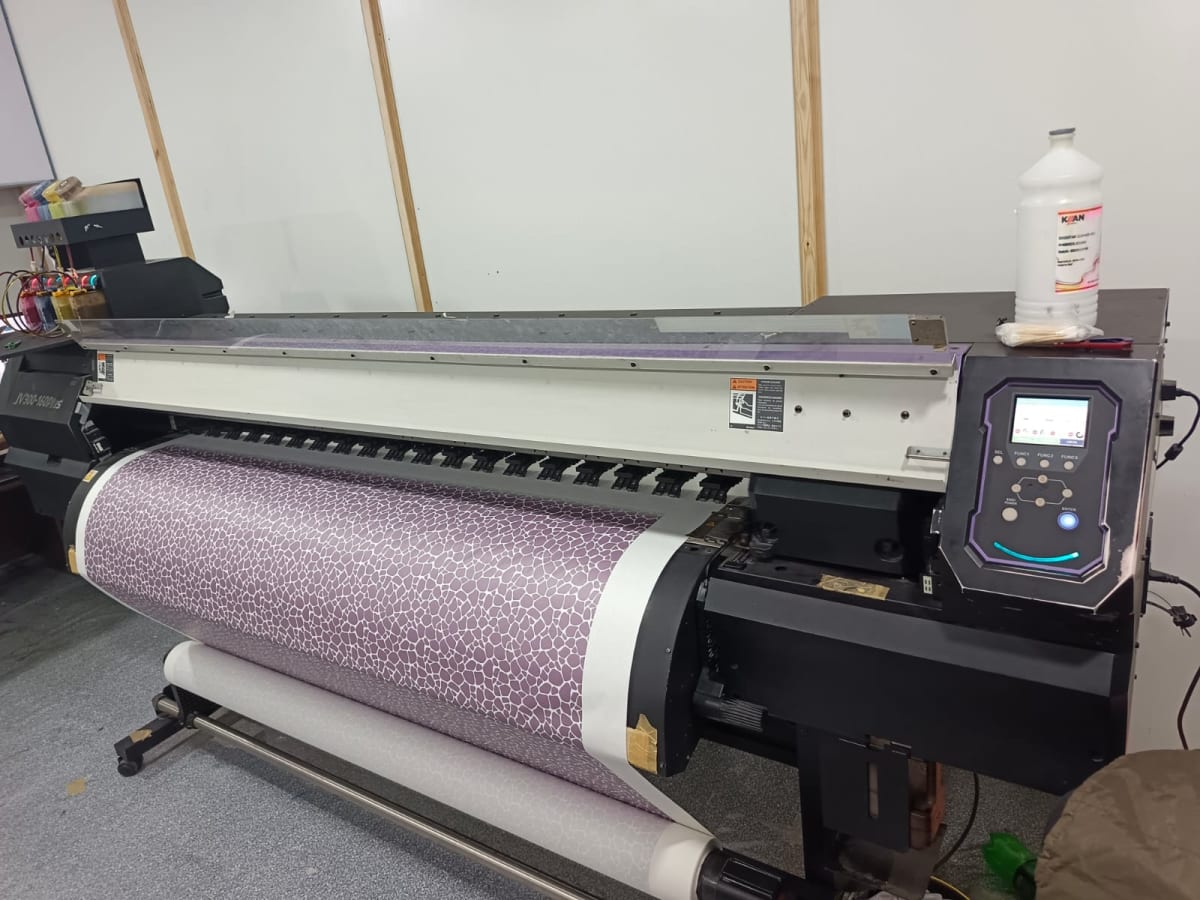
Depending on the product, these processes can include sublimation, screen printing, DTG and DTF printing, embroidery, garment washing and dyeing. Labeling, private branding, quality control, finishing, ironing, packaging and international shipping can also be incorporated into the production program.
The broader approach is reflected in the company’s manufacturing services, which are structured to support different stages of custom apparel development rather than requiring every customer to follow an identical production route.
From Sportswear to Technical and Fashion Apparel
Eco Jersey’s manufacturing range has developed across both everyday apparel and more technically demanding garment categories.
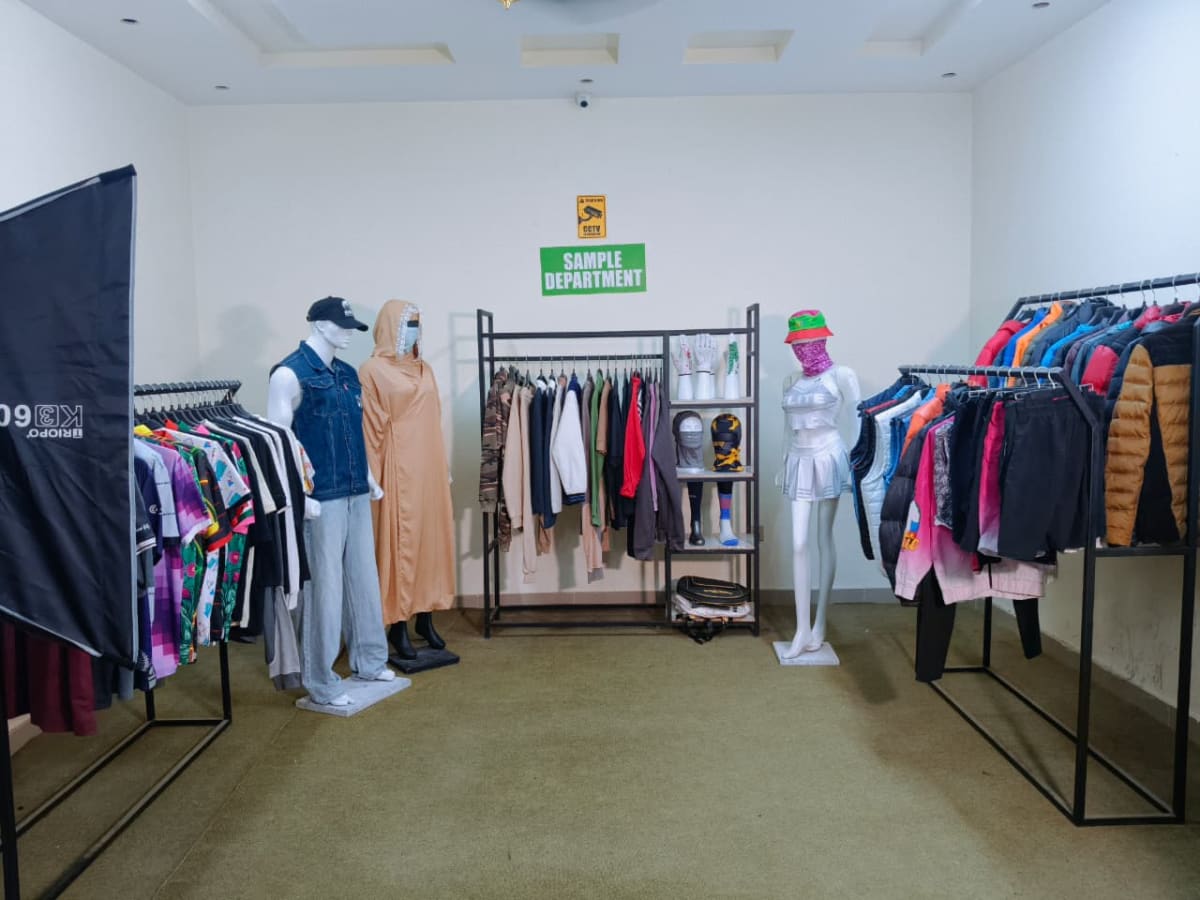
Its current production scope includes sportswear, activewear, outdoor apparel, motorcycle apparel, leather apparel, denim apparel, fashionwear and workwear. These categories can involve substantially different materials, construction techniques, performance requirements and finishing processes.
A sports garment, for example, may depend on lightweight performance fabrics, sublimation and moisture-management requirements, while motorcycle or leather apparel can involve heavier materials and more specialized construction. Denim programs can require washing and finishing processes, while workwear and outdoor apparel may place greater emphasis on durability, functionality and material specifications.
Maintaining this broader apparel manufacturing range allows the company to work with different types of B2B customers while adapting the production process to the requirements of each garment rather than applying a single manufacturing formula across every category.
Flexible Production for Developing and Established Brands
Order quantity remains an important consideration for businesses developing custom clothing. Large manufacturing minimums can make product testing difficult, particularly for emerging brands or companies introducing a new design.
Eco Jersey’s standard minimum order quantity begins at 50 pieces per style, providing an entry point for businesses that may not initially require large-volume production.
Sampling generally takes approximately seven business days, subject to garment complexity, materials and development requirements. Following sample approval and confirmation of production requirements, bulk manufacturing can begin from approximately 18 business days, although actual lead times vary according to the garment, order quantity, customization and sourcing requirements.
Standard monthly production capacity is approximately 7,000 pieces, with actual output depending on the nature and complexity of the garments being produced.
This combination allows Eco Jersey to work with smaller development programmes while retaining the capacity for larger B2B orders as customer requirements evolve. Examples of completed development and manufacturing work can be viewed through the company’s apparel manufacturing portfolio.
Material Sourcing and Third-Party Certification Requirements
Material selection has become an increasingly important part of apparel sourcing as businesses consider performance, traceability and environmental requirements alongside appearance and cost.
Eco Jersey works with yarn and fabric manufacturing mills to source materials according to individual project specifications. Where a buyer requires certified materials, qualifying textiles can be sourced through certified partner mills.
This can include materials supported by GOTS, OEKO-TEX® and GRS documentation, depending on the fabric, supplier and requirements of the individual order. Relevant documentation can be provided for qualifying materials and projects.
The distinction is important: these material certifications are supplied through qualifying partner mills rather than being presented as certifications directly held by Eco Jersey. The company’s approach to certifications, affiliations and third-party material documentation is outlined through its corporate certifications and affiliations information.
Keeping Quality Control Connected to Production
For international B2B orders, manufacturing does not end when garments leave the sewing line. Consistency across measurements, construction, customisation, finishing and packaging can influence whether a production run meets the specifications established during development.
Eco Jersey incorporates quality-control checks into its manufacturing workflow before products progress to final finishing and packaging. Requirements can vary significantly between projects, particularly when a customer has its own measurements, branding standards, packaging specifications or technical requirements.
This project-specific approach is intended to maintain continuity between the approved sample and bulk production while identifying issues before goods are prepared for shipment.
“Over the years, we have seen that B2B customers are looking for more than someone who can simply produce a garment,” said Hadier, sales manager at Eco Jersey. “They need clear communication, flexibility during development and a manufacturing team that understands how the original product specification should carry through to bulk production. Our focus is to keep those stages connected and make the process easier to manage for the customer.”
Supporting Apparel Buyers Across International Markets
Working across international markets also means accommodating different product expectations, sizing requirements, branding approaches and commercial needs.
Eco Jersey currently serves customers globally, with a particular focus on the United States, Canada, the United Kingdom and European markets including Germany, France, Italy, Spain and Switzerland.
The company continues to develop its manufacturing operations around a B2B model in which customers can approach production with their own designs, technical specifications, reference garments or early product concepts. The manufacturing process can then be structured according to the level of development already completed.
Beyond production, Eco Jersey publishes company information and apparel manufacturing resources through its official blog, covering subjects relevant to clothing development, sourcing and manufacturing.
As global apparel sourcing continues to place greater emphasis on production flexibility, communication and supply-chain visibility, Eco Jersey’s objective is to maintain a manufacturing structure capable of supporting both developing and established businesses without separating product development from the realities of bulk production.
From an initial concept and sample to finished garments prepared for international delivery, the company’s end-to-end model is intended to give B2B buyers a more connected route through custom apparel manufacturing.
###
Media Contact
Company: Eco Jersey Limited
Contact Person: Saqlain Nawaz.
Email: Send email
Website: ecojersey.com
Phone: +447775528947


