
How Michigan Homeowners Can Prevent Water Damage With Proven Basement Waterproofing Systems
Langhorne, United States – June 18, 2026 / Aqua Dry Basement Waterproofing /
By Rob Van Suilichem, Everdry Waterproofing of Greater Grand Rapids
Selecting an effective basement waterproofing approach is essential for Michigan homeowners facing seasonal moisture and groundwater pressures. This guide presents proven methods and local service options tailored to regional conditions. Addressing water intrusion from heavy rain or snowmelt protects the structure, preserves property value, and reduces long-term maintenance costs. The following sections describe practical waterproofing methods, preventative strategies, and how local specialists such as EverDry Waterproofing provide customized solutions.
This article describes reliable basement waterproofing methods, local services in Grand Rapids, and practical strategies to prevent water damage. It also explains common causes of water intrusion in Michigan, the influence of local soil and weather, and routine maintenance practices to keep basements dry and safe.
Key Takeaways
- Effective basement waterproofing in Michigan requires addressing unique soil and climate challenges, especially clay soil and heavy moisture.
- Interior techniques like sump pumps, drainage systems, and vapor barriers help manage and redirect water intrusion inside basements.
- Exterior solutions such as French drains and waterproof coatings protect foundations from groundwater and external moisture.
- Multi-step waterproofing systems combine interior and exterior methods for comprehensive basement moisture protection.
- Local experts in Grand Rapids offer tailored waterproofing services that consider Michigan’s specific environmental conditions.
- Regular inspections, proper landscape grading, and effective drainage systems are essential strategies to prevent basement water damage.
- Foundation repair and reinforcement improve waterproofing by stabilizing structures and preventing cracks that cause leaks.
- Mold prevention depends on controlling humidity, ensuring ventilation, and using mold-resistant products in basement environments.
- Annual waterproofing inspections and sump pump maintenance extend system longevity and ensure reliable basement protection.
Reliable Methods
Homeowners have several reliable options to address basement moisture, ranging from targeted interior measures to full multi-step systems. Each approach targets specific entry points and mechanisms of water intrusion to reduce risk and support long-term protection.
Interior Waterproofing Techniques
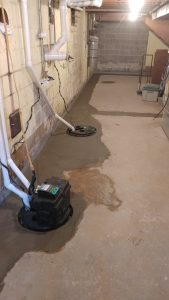 Interior waterproofing focuses on managing water that reaches the basement interior. Common solutions include professionally fitted sump pumps and interior drainage systems that redirect water to a safe discharge point. Vapor barriers on walls and floors further limit moisture transmission and help maintain a healthier indoor environment.
Interior systems are often the least disruptive to a finished basement and can be installed without extensive exterior excavation. Interior drainage channels, for example, are positioned along the perimeter of the basement beneath the floor slab and connect to a sump basin. These channels collect seepage and move it away from the foundation where a pump can discharge it. Vapor barriers and specialized wall coatings complement drainage by reducing moisture movement through concrete and masonry surfaces.
When considering interior solutions, homeowners should ensure that installations have accessible access points for maintenance, high-quality seals where the system meets existing concrete, and backup power or alarm provisions. Properly specified interior work addresses both immediate leak points and ongoing moisture migration.
Exterior Waterproofing Solutions
Exterior measures protect the foundation from groundwater and surface runoff. Installations such as French drains move water away from the foundation, while exterior waterproof coatings form an added barrier on foundation walls. Combined, these solutions reduce hydrostatic pressure and protect structural integrity over time.
Exterior work typically involves excavating to the footing level, applying a waterproof membrane or coating to the foundation wall, and installing a drainage system at the base of the wall. Exterior systems handle groundwater before it reaches the wall interior and are effective where access and site conditions allow. Proper exterior drainage must be paired with correct grading and working gutters to be fully effective.
Homeowners should consider site access, landscaping impacts, and seasonal timing before selecting exterior options. Exterior installations often have longer lifespans for wall protection but can require more initial disruption and cost. A well-designed exterior system removes the driving force — the water outside the wall — rather than simply managing it once it appears inside.
For a comprehensive approach to safeguarding your property, explore basement waterproofing solutions. A properly designed system addresses multiple potential water intrusion points, from foundation walls to the basement floor.
Multi-Step Waterproofing Systems
Multi-step systems integrate interior and exterior techniques to manage water from all directions. This combined approach reduces the likelihood of leaks, limits mold growth, and improves indoor air quality by addressing both entry points and internal moisture sources.
An integrated plan may include exterior drainage and membrane application for long-term wall protection, paired with interior drainage and a sump pump to collect and remove any water that still reaches the structure. Designers will often include vapor control and targeted repairs to openings such as window wells and utility penetrations. The goal is redundancy: multiple barriers that reduce single-point failures and make ongoing maintenance straightforward.
Coordinating multi-step systems also involves practical considerations such as access for repairs, inspection points, and ensuring that discharge locations are code-compliant and will not create problems for neighboring properties. A staged implementation can allow homeowners to prioritize urgency while moving toward a comprehensive solution.
Local Expert Services
Retaining a local waterproofing contractor improves outcomes by ensuring solutions reflect Michigan’s soil types and weather patterns. Local specialists can tailor systems to site-specific conditions and regulatory requirements.
For instance, EverDry Waterproofing of Greater Grand Rapids specializes in basement waterproofing and foundation repair services for Michigan homes. Their regional experience allows them to recommend and implement solutions calibrated to local climate and soil factors.
A local contractor familiar with Grand Rapids and surrounding communities will typically perform a site assessment that includes visual inspection of interior finishes and walls, exterior grading evaluation, checks of gutters and downspouts, and mapping of drainage paths. Expect recommendations that balance immediate fixes with long-term resilience, and ask for a written scope of work that explains recommended materials and the anticipated maintenance needs.
Effective Strategies to Prevent Water Damage
Preventing water damage requires consistent maintenance and planned interventions. The following measures reduce the likelihood of moisture-related issues when implemented correctly and inspected regularly.
- Regular Inspections : Schedule routine inspections to identify potential issues before they escalate.
- Landscape Grading : Ensure that the landscaping slopes away from the foundation to prevent water pooling around your home.
- Proper Drainage : Install effective drainage systems in your yard to divert rainwater away from the foundation.
When combined with professional waterproofing services, these preventive actions substantially lower the risk of future water damage and costly repairs.
Additional practical steps include maintaining gutters and downspouts so water is carried well away from the foundation; extending downspouts where necessary; keeping window wells free of debris and fitted with covers; and avoiding heavy planting directly against foundation walls where root systems might interfere with drainage or cause localized movement. Homeowners finishing a basement should ensure that wall assemblies and flooring systems are compatible with the chosen waterproofing strategy to avoid trapping moisture.
What Are the Primary Causes of Basement Water Intrusion in Michigan?
Water intrusion in Michigan basements commonly stems from hydrostatic pressure caused by saturated soil and from seasonal patterns that produce heavy rain followed by thaw. Snowmelt and prolonged precipitation increase groundwater levels and create conditions favourable to basement seepage.
Other common mechanisms include capillary action that draws moisture through porous concrete or masonry; water following joints or construction seams; and direct entry through cracks, gaps around utility penetrations, or poorly sealed windows and doors. Understanding the specific mechanism at a particular property is essential to choosing the most effective mitigation.
How Does Michigan’s Soil and Weather Affect Basement Moisture?
Much of Michigan contains clay-rich soils with low permeability, which retain water and raise hydrostatic pressure against foundation walls during wet periods. These conditions increase the risk of leaks, so selecting waterproofing methods that address soil-driven moisture is important for Michigan homeowners managing these challenges.
Seasonal freeze-thaw cycles also affect how water moves around foundations. Repeated freezing and thawing can change soil density and drainage characteristics near the foundation and may lead to differential settlement over time. Accounting for seasonal behaviour is part of specifying durable solutions and scheduling work at times when ground conditions are suitable for reliable installation.
What Common Structural Problems Lead to Basement Leaks?
Common structural contributors to basement leaks include foundation cracks, insufficient drainage, and poorly sealed openings around windows and doors. Addressing these defects promptly reduces water entry and limits progressive damage to the structure.
Structural movement or settlement can open joints and hairline cracks that progressively worsen if left untreated. Tree roots that grow close to foundations may disturb soil and drainage patterns. In many instances, combining drainage correction with targeted structural repair produces the best long-term outcome.
Which Interior Basement Waterproofing Systems Are Most Effective for Michigan Homes?
Effective interior systems for Michigan typically combine sump pumps, interior drain channels, and vapour barriers. Together, these components remove accumulated water, redirect seepage, and control humidity to protect finishes and indoor air quality.
Selection of components should reflect the source and volume of water, the basement layout, and the homeowner’s plans for the space. A basement used for storage may require different priorities than one being finished for living space; for example, a finished basement may benefit from additional vapour control and higher-capacity pumps while storage spaces may prioritise reliable floor drainage and easy access for maintenance.
How Do Patented Interior Systems Prevent Water Intrusion?
Patented interior systems reduce water intrusion by addressing pressure differences and directing water to collection points. They often use engineered drainage components and specialised materials to create reliable barriers that limit leak pathways and improve homeowner confidence in basement protection.
These systems may feature modular channels, sealed junctions, and pre-engineered sump basins designed to integrate with flooring and finished walls. The advantage of a patented or engineered system is often consistent installation details and manufacturer support for component compatibility and warranty coverage.
What Are the Benefits of Professional Sump Pump Installation in Grand Rapids?
Professional sump pump installation delivers tangible benefits that improve system reliability and performance. These advantages typically include correct equipment sizing, integrated backup systems, and installation to industry standards.
- Proper Sizing : A professionally installed sump pump is correctly sized to meet the specific needs of your home.
- Backup Protection : Many professional installations include backup systems, ensuring continued operation during power outages.
- Peace of Mind : Expert installation guarantees that the system will function effectively when needed.
Engaging a professional for sump pump services enhances your basement protection and reduces the likelihood of system failure during critical events.
In addition to installation, professionals will advise on the appropriate pump type for site conditions, the location of discharge to avoid re-entry of water, check-valve placement to prevent backflow, and alarm options that alert homeowners to pump failure or high water conditions. They will also document recommended maintenance intervals and inspection checkpoints.
How Can Foundation Repair and Reinforcement Improve Basement Waterproofing?
Foundation repair and reinforcement address the root causes of leaks by stabilizing structural elements and reducing movement that leads to cracks. Strengthening the foundation supports long-term waterproofing performance and reduces the need for repeated interventions.
Repair methods commonly used to stabilize foundations include sealing cracks, underpinning localized settlement, and installing reinforcement systems that resist lateral loads. By limiting further movement and restoring watertight integrity where cracks have formed, these repairs allow waterproofing systems to perform as intended without being undermined by ongoing structural change.
What Role Does the StablWall Product Play in Foundation Stability?
The StablWall product is a structural support system designed to counteract foundation movement and redistribute loads along foundation walls. Products such as foundation stability and waterproofing needs provide a targeted approach to limit future shifts that can permit water intrusion.
Stabilising measures like this are typically used when detailed inspection indicates wall bowing, cracking, or other signs of lateral movement. By addressing the structural cause of cracks, homeowners preserve the value of waterproofing work and reduce the potential for recurring leaks that would otherwise require repeated patching.
When Should Homeowners Consider Foundation Water Leak Repair in Michigan?
Homeowners should seek foundation water leak repair when they observe symptoms such as persistent dampness, visible water stains, or mold. Early intervention prevents escalation to more extensive structural damage and higher repair costs.
Other indications that it is time to seek professional help include increased efflorescence on walls, swollen finishes, recurring musty odors, or evidence of water pooling after rain events. Documenting these observations with dates and photos helps contractors diagnose trends and recommend the most appropriate corrective measures.
What Are the Best Mold Prevention Strategies Linked to Basement Waterproofing?
Effective mold prevention integrates moisture control, ventilation, and use of mold-resistant materials. These measures reduce the conditions that support mold growth and protect occupant health.
- Manage Humidity Levels: Use dehumidifiers to keep moisture in check.
- Ensure Proper Ventilation: Allow for air circulation within the basement to facilitate drying.
- Apply Mold-Resistant Products: Use specialized paint and coatings designed to resist mold growth.
Proper waterproofing reduces the moisture that enables mold development by maintaining drier conditions and limiting water exposure. For further guidance on maintaining a healthy basement environment, consult mold prevention and removal tips that outline practical prevention steps.
In finished basements, consider using mold-resistant drywall, moisture-tolerant flooring, and elevated storage to keep items off potentially damp surfaces. Regularly inspect HVAC and dehumidification systems for proper operation and filter cleanliness to support indoor air quality.
What Are the Simple Steps to Schedule a Local Inspection in Grand Rapids?
Scheduling a local inspection involves three straightforward steps: research qualified providers, contact selected contractors to discuss needs, and arrange a convenient time for the inspection.
- Research : Identify qualified waterproofing services in your area.
- Contact : Reach out to chosen providers to discuss your concerns and needs.
- Schedule : Agree on a convenient time for the inspection to take place.

Following these steps ensures homeowners have timely access to professional evaluations and tailored recommendations.
When you schedule, ask whether the initial inspection carries a fee or credit toward future work, who will perform the inspection, and what documentation you will receive afterward. A comprehensive inspection report that outlines observed issues, recommended work, and an itemized estimate helps you compare options objectively.
How Does Inspection-Driven Service Lead to Customized Waterproofing Solutions?
Inspection-driven service identifies specific vulnerabilities and informs tailored treatment plans. This process yields targeted interventions that address the home’s unique conditions, improving effectiveness and reducing unnecessary work.
A thorough inspection provides the basis for prioritization: which repairs are urgent, which improvements will prevent recurrence, and which aesthetic or convenience upgrades make sense for the homeowner. Well-documented findings allow contractors to design solutions that are both technically sound and aligned with homeowner priorities.


Contact Information:
Aqua Dry Basement Waterproofing
473 Bridgetown Pike
Langhorne, PA 19053
United States
Peter Stoch
(215) 432-7122
https://aquadrybasements.com/


